Framing office catering options UK as a strategic workplace lever
Office catering options UK are no longer a perk; they are a workplace infrastructure decision that shapes how your office is actually used. When you choose between a managed canteen, a micro market or subsidised delivery, you are really choosing a daily rhythm for your équipe, a pattern of movement, conversation and collaboration that either supports hybrid work or quietly undermines it. The right office catering model turns food from a fragmented cost line into a predictable, measurable workplace catering asset.
For a UK office manager, the first task is to define what problem you are solving with catering rather than jumping straight to menus or a glossy catering london brochure. Are you trying to increase in office attendance on anchor days, reduce ad hoc lunch delivery chaos, or create a reliable corporate catering offer for clients and visitors in london and regional hubs. Your answer should drive whether you prioritise a full catering service with hot cold food served daily, a flexible micro market with freshly baked snacks and tortilla wraps, or a subsidised delivery model that leans on platforms instead of a traditional office catering contract.
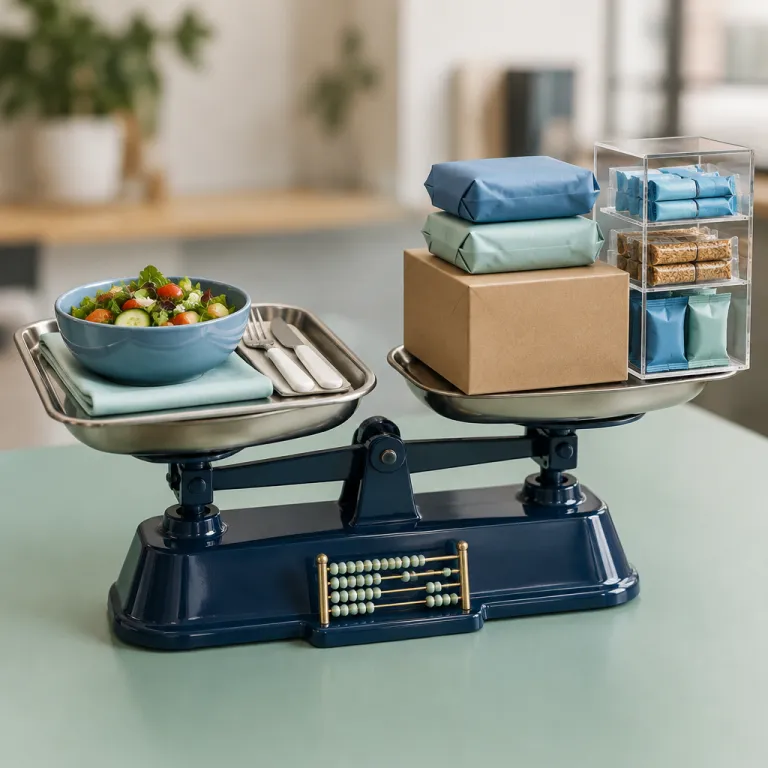
Think of each option as a different unit of hospitality, with its own unit price, utilisation rate and operational friction. A managed canteen is a large fixed unit that can serve breakfast lunch and lunch plus afternoon tea at scale, while a micro market is a modular unit that flexes with fluctuating headcount and regular hybrid patterns. Subsidised delivery is almost pure variable cost, where each order has a clear price unit and sale price but creates more complexity in service management, food waste tracking and team experience.
Across all three models, you still need to manage catering services as you would any other critical supplier, with SLAs, KPIs and a clear view of regular price versus negotiated price regular. That means understanding how each vendor structures unit price and sale price for items like chicken goujons, tortilla wraps or a fruit skewer, and how those prices change between regular menus and special event menus. It also means mapping how food delivery, storage and service interact with your physical workplace design, from the office kitchen layout to any neuroinclusive zones or quiet booths you are planning as part of a broader neuroinclusive office design strategy.
Managed canteen and contract catering: fixed cost, high cultural impact
A managed canteen or full service contract catering arrangement is the most visible and culturally powerful of the office catering options UK. In this model, a catering provider such as Compass Group, Sodexo or BaxterStorey runs an on site restaurant style space in your office, with hot cold counters, salad bars and often a barista coffee bar. The food is prepared and served on your premises, with breakfast lunch and sometimes evening service, and the office manager pays a management fee plus a subsidy on each menu item.
The financial logic is simple but unforgiving; you are trading a high fixed cost for predictable quality and a strong pull factor to bring the team into the workplace. At high attendance levels, the effective unit price per head can be competitive, especially when you factor in reduced external lunch delivery and better control of sale price and price sale on popular items like chicken goujon dishes, tortilla wraps or gluten free salads. At low attendance, the same regular menus and staffing levels mean your price unit per meal rises sharply and food waste becomes a silent drain on your budget.
In a london headquarters with more than five hundred people, a managed canteen can make sense if you can reliably fill at least half the seats on peak days. Under that threshold, you will see trays of fresh food left unsold, and the regular price you pay for ingredients and labour will not be offset by sale price revenue from staff purchases. You can negotiate a hybrid model where a core menu is served daily and a rotating menu is only prepared when pre order volumes hit a minimum, but that requires strong forecasting and a disciplined pre order culture in the office.
From a cultural perspective, a well run canteen is a workplace catering powerhouse; it creates a daily ritual where the équipe meets, mixes across functions and builds informal networks that no town hall can replicate. You can design zones for quick lunch, longer afternoon tea style breaks and quiet corners, and you can use themed menus to anchor team days or project milestones. The trade off is that you are locked into a catering services contract, with index linked regular price increases and complex negotiations over unit price, sale price and price regular for everything from chicken goujons to freshly baked pastries.
For service providers management, treat your canteen vendor like any other strategic supplier, with structured procurement and regular performance reviews. Use a playbook similar to a supplier consolidation strategy to benchmark catering london providers on food quality, ESG reporting, menu innovation and responsiveness to hybrid attendance data. If you cannot secure transparency on food waste volumes, unit price breakdowns and the true cost of gluten free or vegan menu lines, you are not ready to sign a multi year office catering contract.
Micro markets and self service: flexible workplace catering for hybrid patterns
Micro markets sit between vending and a full canteen, offering open shelves and fridges stocked with fresh food, snacks and drinks that staff buy via self service kiosks. For many UK offices, this model has become the most attractive of the office catering options UK because it converts catering from a heavy fixed cost into a lighter, semi variable one. You pay for the installation of the unit, a service fee and the regular restocking of menus, but you avoid the full staffing overhead of a traditional catering service.
In practice, a micro market can carry a surprisingly broad menu, from tortilla wraps and salads to freshly baked pastries, fruit skewer pots and even chilled chicken goujons for grab and go lunch. The vendor sets a regular price and sale price for each SKU, and you decide whether to subsidise the unit price so that the price unit paid by staff feels aligned with your culture and pay bands. Because stock is tracked item by item, you get clear data on what food is actually served and eaten, which makes it easier to adjust menus, reduce waste and report on ESG metrics.
For hybrid offices where attendance swings between thirty and eighty percent across the week, micro markets shine because they can scale up or down without rewriting the whole catering london contract. When fewer people are in the office, the unit simply sells less, and unsold items can often be rotated or discounted with a lower price sale rather than being binned. When the workplace is full, you can increase delivery frequency and expand the menu to include more hot cold options, gluten free lines and premium lunch items without a full kitchen brigade on site.
The operational challenge is to integrate micro market catering services into your broader workplace management processes. You still need clear SLAs on delivery times, stock freshness and the handling of hot cold chains, especially for chicken goujon products, dairy and fresh salads. You also need a simple way for the team to request new menus, flag issues with food quality or suggest changes to breakfast lunch offerings, ideally through your existing helpdesk or workplace app rather than ad hoc emails.
From a governance perspective, treat the micro market as one more vendor in your quarterly office vendor review cycle. A structured vendor review scorecard helps you compare regular price versus realised sale price, track food waste, and assess whether the office catering mix still matches your attendance patterns. Over time, you can refine the balance between indulgent items like freshly baked pastries and healthier options such as fruit skewer pots, gluten free wraps and lean chicken goujons, always with an eye on both utilisation and the cultural signals you send about wellbeing.
Subsidised delivery and the do nothing option: variable cost and minimal infrastructure
Subsidised delivery, using platforms such as Just Eat for Business or Deliveroo for Business, represents the lightest infrastructure of all office catering options UK. Instead of running a kitchen or installing a micro market unit, you let staff order from local restaurants and caterers, and the company pays a portion of the price for each meal. The office manager’s role shifts from menu design to policy design, setting rules on regular price caps, eligible days and how the subsidy interacts with in office attendance expectations.
In this model, every order has a clear unit price and sale price, and you can see exactly how much you spend on food per head on any given day. The trade off is that you lose control over what is actually served in the workplace, from the nutritional profile of lunch to the packaging waste generated by multiple small delivery bags. You also introduce more delivery traffic into your reception and lifts, which can create friction for security, front of house and other service providers who are already managing visitors, parcels and contractors.
For smaller offices or regional hubs where a full catering london style canteen would never reach break even, subsidised delivery can still be the most rational form of workplace catering. You can set a regular price cap per person, for example a fixed price unit for lunch on anchor days, and let the team choose between hot cold options, gluten free dishes or local favourites without you curating every menu. Over time, you can analyse order data to see which restaurants provide consistently fresh food, reliable delivery and good value, and then negotiate better price regular terms or switch to a more formal corporate catering arrangement with a short list of partners.
The true alternative to all of this is the do nothing option, where you invest in a serious coffee machine, a well stocked kitchen and perhaps a subsidy at a nearby café instead of any formal office catering programme. In some london locations, especially where high quality food is served on every street, this can outperform a mediocre in house catering service on both cost and employee satisfaction. The key is to be honest about what your workplace can realistically support and whether your équipe actually wants a full lunch offer or simply reliable basics and the freedom to choose.
Even in a do nothing scenario, you still need to manage service providers such as coffee suppliers, snack vendors and cleaning contractors with the same rigour you would apply to catering services. Track regular price and sale price for items like freshly baked pastries, fruit skewer trays and bottled drinks, and ensure that unit price increases are justified by quality or inflation rather than vendor inertia. A light touch approach to office catering does not mean a light touch approach to procurement, especially when the CFO is watching every line of the workplace budget.
Cost per head maths, food waste and sustainability across models
Whichever model you choose among the office catering options UK, your credibility with finance will rest on clear cost per head maths. Start by mapping every cost component for each model, from management fees and labour to food ingredients, delivery charges and equipment depreciation, then convert these into a unit price per meal at different attendance levels. Only when you can show how regular price, unit price and sale price interact across managed canteen, micro market and subsidised delivery will you be able to defend your office catering strategy in a budget review.
For a managed canteen, fixed costs dominate, so your effective price unit per meal drops sharply as more people eat on site, while food waste rises when attendance falls below forecast. Micro markets shift more of the cost into the product itself, so you pay a higher unit price for each tortilla wrap, fruit skewer or gluten free chicken goujon, but you waste less because unsold items can be discounted or rotated. Subsidised delivery is almost pure variable cost, with each order carrying its own sale price and delivery fee, but you may pay a premium regular price for convenience and lose the ability to negotiate volume based price regular discounts.
Sustainability adds another layer to the decision, because ESG reporting now expects you to track food waste, packaging and sourcing across your workplace catering. A canteen can minimise packaging and optimise bulk purchasing, but only if you have strong forecasting and a culture of pre order so that food served matches actual demand. Micro markets and delivery models generate more packaging but can reduce waste by aligning stock or orders more closely with real time attendance, especially when you use data from access control or desk booking systems to plan delivery schedules.
From a service providers management perspective, insist that every catering london or regional vendor gives you transparent data on waste volumes, local sourcing and the carbon impact of their menus. Ask how they handle surplus fresh food, whether chicken goujons, salads or freshly baked items, and whether they can support hot cold holding that maintains quality without excessive energy use. Build these requirements into your SLAs and link a portion of their sale price or management fee to performance on waste reduction and ESG metrics, not just on-time delivery and menu variety.
Finally, remember that the cultural and sensory experience of food in the office is part of your broader workplace strategy, not a separate hospitality project. The way breakfast lunch is served, the smell of freshly baked bread, the sight of colleagues sharing afternoon tea or a quick chicken goujon snack all contribute to how people feel about being in the workplace versus working from home. In the end, it is not the square footage that keeps people coming back to the office, but the reduction of Monday morning friction through thoughtful, well managed office catering.
FAQ
How do I compare cost per head across different office catering models ?
To compare cost per head, list every cost element for each model, including management fees, food costs, delivery charges and equipment, then divide by the number of meals actually served. Run the numbers at several attendance levels, for example thirty, fifty and eighty percent, to see how the effective unit price changes as more or fewer people eat on site. This reveals where a managed canteen, micro market or subsidised delivery becomes financially viable for your office.
When does a managed canteen make more sense than a micro market ?
A managed canteen usually makes sense when you have a large, relatively stable in office population and a strong need for a central social hub. If you can reliably fill a significant portion of seats on most days, the fixed costs are spread across many meals and the cultural benefits are substantial. When attendance is volatile or the office is small, a micro market or subsidised delivery is often more cost effective.
How can I reduce food waste in my office catering programme ?
Reducing food waste starts with better forecasting, using data from access control, desk booking and meeting room systems to predict how many people will be in the office on specific days. Encourage pre orders for hot meals, limit the number of high risk fresh items prepared without orders, and work with vendors who can donate surplus food safely. Regularly review sales data for each menu item and adjust menus, portion sizes and delivery frequency to match real demand.
What should I include in a catering SLA with service providers ?
A robust catering SLA should cover food safety standards, delivery times, menu change processes, complaint handling and clear KPIs for quality, waste and sustainability. Include transparency on regular price, unit price and any indexation mechanisms, plus requirements for ESG reporting such as waste volumes and local sourcing percentages. Review the SLA at least quarterly and tie a portion of the vendor’s fee to performance against these metrics.
Is it acceptable to offer no formal catering and only provide snacks and coffee ?
Offering only snacks and coffee can be acceptable if your office is small, surrounded by good local food options and your workforce values flexibility over a structured lunch offer. In that case, invest in high quality coffee, a well stocked kitchen and perhaps a subsidy at a nearby café, and be transparent with staff about the rationale. Revisit the decision if attendance patterns, headcount or employee expectations change, or if you expand into locations where external food options are limited.