Why pipework freezing matters for United Kingdom office managers
Pipework freezing in a United Kingdom office is not just a technical issue, it is a business continuity risk. When water in any pipe or in multiple pipes turns to ice during cold weather, the expansion can make copper or plastic sections crack, burst, and shut down critical building systems. A single pipe freeze incident in a riser can interrupt water supply to several floors, keep staff out of key areas, and force you to close meeting rooms or even whole lines of workspaces.
Office managers must understand how freezing affects every system that carries water, from domestic water pipes and heating lines to chilled water systems feeding fan coil units and server room cooling. When these systems fail because of frozen pipes or pipes freezing in suspended ceilings or crawl spaces, the impact is not limited to facilities teams, it hits productivity, client meetings, and health and safety compliance. Planning for pipe freezing and for controlled pipework freezing as a maintenance method helps prevent unplanned downtime, reduce insurance claims, and keep your office environment stable during prolonged cold spells.
In many United Kingdom multi tenant buildings, you do not control the whole heating system, but you still carry responsibility for your demise and for staff welfare. That means you must know where vulnerable water pipes run, how the building thermostat and local thermostatic radiator valves are set, and how to keep enough background heat to help prevent pipes from freezing without wasting energy. A clear protocol for what to do when a pipe freezes or when you suspect frozen pipes behind walls will help your facilities team respond quickly and apply heat safely before any burst occurs.
Understanding pipework freezing versus accidental pipe freezing
There is a crucial distinction between accidental pipe freezing that damages assets and planned pipework freezing used as a controlled maintenance technique. In accidental events, water inside a pipe or several pipes freezes because of cold weather, poor insulation, or a failed thermostat, which can leave sections of the system unheated overnight or over a weekend. When pipes freeze in these conditions, the ice can block water lines, increase pressure, and eventually cause a burst that floods offices, server rooms, or archive spaces.
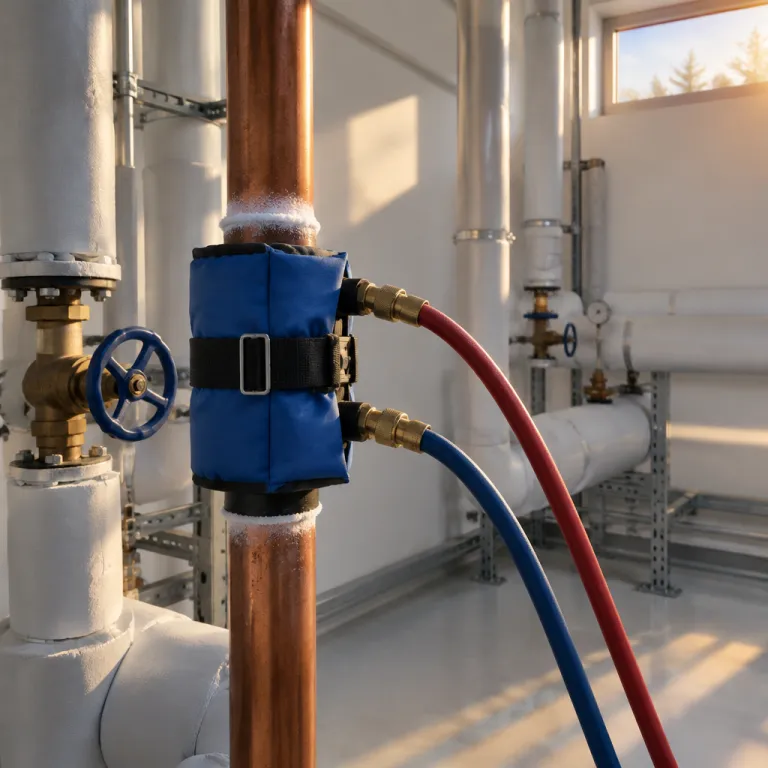
By contrast, controlled pipework freezing uses specialist equipment, often with liquid nitrogen or electrical freezing jackets, to create a temporary ice plug in water pipes so engineers can work on valves or fittings without draining whole systems. This planned pipe freeze process is common in United Kingdom commercial buildings where shutting down entire risers would disrupt many tenants, and it is usually carried out by qualified contractors under strict safety procedures. As an office manager, you should insist on method statements that explain how they will prevent frozen plugs from migrating, how they will thaw pipes afterwards, and how they will protect nearby cables, fire stopping, and office finishes from cold damage.
Hot desking and flexible working patterns complicate this picture because occupancy is less predictable and local heat gains from people and equipment vary throughout the day. Guidance on DSE assessments in a hot desking world, such as the analysis of why the compliance model built for assigned desks no longer works, shows how building use has changed and why static heating schedules can leave some zones too cold. When you plan any pipework freezing operation or when you try to prevent pipes from freezing accidentally, you must align heating controls, occupancy data, and maintenance windows so that no area is left exposed to extreme cold while staff are absent.
Risk mapping: where pipes freezing threaten office continuity
Most office managers know about exposed external pipe runs, yet many incidents start in hidden locations where cold air circulates freely. Suspended ceilings, unheated plant rooms, service risers, and crawl spaces often contain water pipes, heating lines, and sprinkler systems that sit close to external walls or roof decks. In these spaces, a failed thermostat or a poorly balanced system can allow local temperatures to drop below freezing, creating frozen pipes that you will not notice until they thaw and leak into occupied areas.
United Kingdom auditors repeatedly highlight gaps in office health and safety management, including weak asset records and incomplete maintenance logs for building systems. Reviews of the typical UK office H&S gaps that auditors keep finding, such as missing fire logs and inconsistent first aid ratios, show how easily critical infrastructure like water pipes and heating lines can fall between organisational responsibilities. To manage pipe freezing risk effectively, you need accurate drawings, tagged assets, and clear ownership for each system so that no pipe, valve, or thermostat is left unmonitored in remote corners of the building.
Pay particular attention to copper pipes that pass through uninsulated external walls, to water lines serving kitchenettes near glazed façades, and to any pipework above data rooms where a burst would be catastrophic. Where pipes run through long corridors or under raised floors, consider whether cold draughts from loading bays or poorly sealed doors could make pipes freeze during a weekend cold snap. A structured risk map that grades each section of pipework by exposure, criticality, and ease of access will help prevent frozen failures and will guide contractors when they plan any controlled pipe freeze operations.
Practical measures to help prevent frozen pipes in offices
Preventing accidental pipe freezing starts with maintaining stable background heat and good insulation across the whole office, not just in occupied zones. Work with your building management system team to keep the thermostat set high enough in cold weather to protect vulnerable pipes, while still meeting your energy and carbon KPIs. Where you cannot raise central heat, use local measures such as insulating exposed water pipes, sealing draughts, and allowing a small water drip from taps on the coldest nights to keep water moving in lines that are at risk.
Portable equipment can help prevent pipes from freezing in specific problem areas, but it must be used carefully. A space heater can apply heat to a small plant room or cupboard where pipes freezing has been an issue, yet you must follow fire safety rules, avoid blocking exits, and never leave devices unattended near combustible materials. Under no circumstances should staff or contractors use an open flame, such as a blowtorch, to thaw frozen pipes, because this creates a serious fire risk and can damage pipe joints, insulation, and nearby finishes.
When you need to thaw pipes safely, specify methods that apply heat gradually and evenly along the affected section. A standard hair dryer on a low setting, used by a trained technician, can help thaw frozen sections of copper pipe, provided that electrical safety rules are followed and that no water is present on the floor. For larger diameter water pipes or for complex systems, rely on professional contractors who can combine controlled pipe freeze techniques, safe thaw pipes procedures, and continuous temperature monitoring to prevent frozen plugs from moving unpredictably through the system.
Managing controlled pipework freezing projects in United Kingdom offices
When you commission controlled pipework freezing for valve replacement or system modification, treat it as a high impact project rather than a routine call out. Start by agreeing a clear scope that identifies which pipe or group of pipes will be frozen, what medium will be used, and how the contractor will protect adjacent systems from extreme cold. Ask for a method statement that explains how they will monitor temperature, how they will thaw frozen plugs afterwards, and how they will keep staff informed about any temporary loss of water or heat.
Professional contractors may use liquid nitrogen or electrically powered freezing jackets to create a solid ice plug inside water pipes, allowing them to isolate sections without draining whole risers. This pipe freeze technique is efficient in multi storey United Kingdom offices where draining systems would take many hours, but it requires strict controls to ensure that pipes do not burst from overpressure and that the frozen section does not extend into fittings or branches. You should confirm that the contractor has appropriate insurance, training records, and risk assessments that cover both the freezing and the thaw pipes stages, including contingency plans if the plug fails to form or if pipes freeze beyond the intended zone.
Asset control is critical during these operations, because you must know exactly which valves, lines, and systems are affected at any time. Using QR enabled asset tags to strengthen office asset control in UK businesses can help your team track which water pipes, thermostats, and isolation points have been modified or temporarily shut. After the work, insist on updated drawings, revised maintenance schedules, and a short lessons learned review so that future pipework freezing projects become safer, faster, and more predictable for both facilities teams and building occupants.
Emergency response when pipe freezes or pipes freeze unexpectedly
Despite good planning, there will be occasions when a pipe freezes unexpectedly and you must respond quickly to protect staff and assets. The first priority is to shut off the relevant water supply lines, isolate affected systems, and move people away from any area where a burst might occur. Train your facilities team to recognise early signs of frozen pipes, such as reduced flow at taps, unusual noises in walls, or visible frost on exposed sections of pipework.
Once the area is safe, decide whether your in house team can apply heat safely or whether you need specialist contractors. For minor issues, such as a short run of copper pipe in a kitchenette, a trained technician may use a hair dryer or a small space heater to thaw frozen sections, always keeping equipment away from standing water and combustible materials. Where longer runs of water pipes are affected, or where crawl spaces and ceiling voids are involved, call professionals who can combine controlled pipe freeze techniques, safe thaw pipes procedures, and continuous monitoring to help prevent further damage.
Document every incident carefully, including the exact location of pipes freezing, the weather conditions, the thermostat settings, and the time taken to restore normal service. This data will help prevent frozen recurrences by highlighting weak points in your system, such as poorly insulated bends, under heated plant rooms, or misconfigured controls. Over time, a structured log of pipe freezing events will support better investment decisions, stronger insurance negotiations, and more targeted staff training on how to keep offices operational during severe cold weather.
Statistics and key figures on pipework freezing in offices
- According to the Association of British Insurers, escape of water incidents, including damage from burst pipes after freezing, cost UK businesses hundreds of millions of pounds annually, making them one of the most expensive categories of commercial property claims.
- Building Research Establishment guidance notes that water expands by roughly 9 percent when it turns to ice, which explains why frozen pipes can burst even when the pipe material appears robust and recently installed.
- Facilities management surveys in the United Kingdom consistently report that unheated plant rooms and roof level service zones are among the top three locations for pipes freezing incidents, especially in older office stock with limited insulation.
- Industry case studies show that controlled pipework freezing can reduce system drain down times by several hours per intervention, significantly cutting disruption for multi tenant office buildings during valve replacements or modifications.
- Risk assessments from major UK insurers often recommend maintaining internal temperatures above approximately 7 degrees Celsius in vulnerable areas to help prevent frozen water pipes during prolonged cold weather events.
FAQ on pipework freezing for United Kingdom office managers
How can I tell if pipes are starting to freeze in my office
Early signs that pipes are starting to freeze include noticeably reduced water flow at taps, gurgling or banging noises in walls or ceilings, and visible frost or condensation on exposed pipe sections in cold areas. You may also see localised cold spots on walls or ceilings where water pipes run close to the surface. If you suspect frozen pipes, act quickly by checking thermostats, increasing local heat, and isolating affected lines before any burst occurs.
Is controlled pipework freezing safe for modern office buildings
Controlled pipework freezing is safe when carried out by qualified contractors using appropriate equipment, risk assessments, and monitoring. The process creates a temporary ice plug inside water pipes so that valves or fittings can be replaced without draining entire systems, which is especially useful in multi storey offices. As an office manager, you should always request method statements, confirm insurance cover, and ensure that emergency procedures are in place before any pipe freeze operation begins.
What should I do immediately if a pipe bursts after freezing
If a pipe bursts after freezing, shut off the nearest isolation valve or the main water supply as quickly as possible. Evacuate staff from affected areas, protect electrical equipment from water, and contact your facilities team and insurers with clear information about the location and extent of the damage. Arrange for professional drying and remediation to prevent mould growth, and review thermostat settings, insulation, and maintenance records to help prevent similar incidents in future cold weather.
Can portable heaters and hair dryers be used to thaw frozen pipes safely
Portable heaters and hair dryers can be used to thaw frozen pipes safely if they are operated by trained staff who follow electrical and fire safety rules. Always keep devices away from standing water, never leave them unattended, and apply heat gradually along the pipe rather than focusing on a single point. Never use an open flame such as a blowtorch, because this greatly increases fire risk and can damage pipework, insulation, and nearby building materials.
How often should I review my office pipework freezing prevention plan
You should review your pipework freezing prevention plan at least once a year and after any significant incident, refurbishment, or change in occupancy patterns. Updates to heating controls, new partitions, or changes in working patterns such as increased hybrid working can all alter how cold air moves through the building and how systems perform. Regular reviews allow you to adjust thermostat settings, insulation priorities, and emergency procedures so that your office remains resilient during future cold weather events.