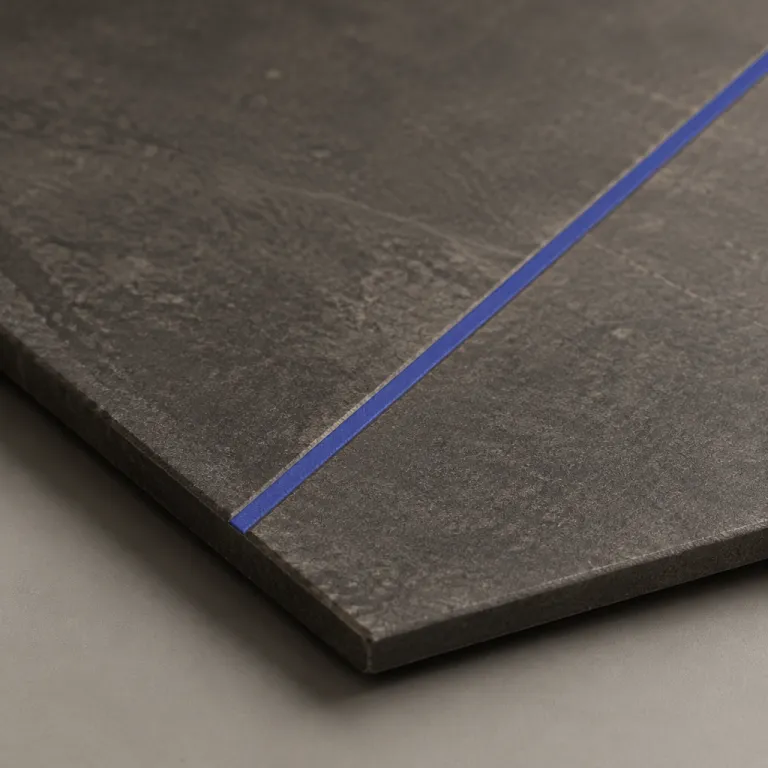
Why grout colour sealing matters for United Kingdom office managers
Grout colour sealing in a United Kingdom office is not just cosmetic. When you manage grout across busy floor tile corridors, kitchens and washrooms, you are protecting both asset value and staff wellbeing. A well planned grout colour sealing programme also supports your business brand by keeping shared spaces consistently clean, visually aligned and easier to audit.
Office grout absorbs spills from coffee, tea and cleaning product residue, which quickly stains light grout colours such as bright white or soft beige. By applying a water based grout sealer or colour sealer, you lock the grout joint surface, making it easier to maintain with a neutral cleaner and less frequent intensive scrubbing. This long lasting protection is especially valuable in multi tenant buildings where tile grout runs through receptions, lift lobbies and shared washrooms that must look presentable every day.
For an office manager, the price of grout colour sealing must be weighed against the disruption and cost of replacing tile grout or even full floor tile areas. A targeted grout coating or grout colourant sealer project in high traffic zones can extend the life of existing tile, delaying capital expenditure and freeing budget for other workplace improvements. When you standardise grout colour across floors, you also simplify cleaning specifications, supplier contracts and performance monitoring.
Choosing the right grout colour, product and sealer system
Selecting the correct grout colour and sealer product is a strategic facilities decision. In United Kingdom offices, bright white grout lines in tea points and washrooms often look tired within months, while mid grey or sandstone beige tones hide daily soil better. A carefully chosen grout colourant or colourant sealer lets you change grout appearance without removing the existing grout joint, which is far less disruptive for staff and neighbouring tenants.
Major manufacturers such as Mapei, Laticrete and Tec offer coordinated systems where the grout, grout sealer and grout colourant are designed to work together. When you specify a water based colour sealer from the same product family as the original tile grout, you reduce compatibility risks and improve long lasting adhesion. For UK office refits, pre mixed grout and colour sealing kits can simplify small area works in meeting room tea points or accessible toilets, especially where you have limited out of hours access.
Colour selection should reflect both design intent and cleaning reality, balancing white, beige, grey and even terra cotta or sandstone beige tones where appropriate. Darker grout colours such as charcoal or black diamond style shades can frame light floor tile effectively, but they also highlight any uneven grout lines or patchy grout coating. Before committing across a whole business floor, always run a small test area and review the tile grout appearance under both natural light and office LED lighting during a full working day.
For seasonal planning of these works, you can align your grout colour sealing schedule with a structured summer office operations checklist to minimise disruption. This approach lets you coordinate contractors, cleaning teams and staff communications while occupancy is lower. It also gives grout sealer and grout coating products adequate curing time before full traffic returns.
Operational challenges in UK offices and how grout colour sealing helps
United Kingdom offices face specific operational pressures that directly affect grout and tile performance. High footfall from hybrid working patterns, frequent food and drink consumption at desks, and wet weather all drive more contamination into every grout joint. Grout colour sealing creates a controllable surface that resists this daily load and makes scheduled cleaning more predictable and less labour intensive.
In reception areas, bright white grout lines between large format floor tile quickly show black heel marks and dirt, undermining first impressions for visitors and clients. Applying a water based colour sealer in a mid grey or beige tone can visually refresh the tile grout while also reducing the appearance of future staining. For washrooms and kitchenettes, a colour sealing system that includes a compatible cleaner and grout sealer helps your in house or outsourced cleaning business maintain hygiene standards with less aggressive chemicals and fewer repeat visits.
Cybersecurity is not the only hidden risk in office operations, and the same disciplined thinking used for a robust office risk policy framework can be applied to floor maintenance. By mapping every area of tile grout and assigning a refresh cycle, you turn reactive grout repairs into a planned asset management programme. This structured approach also supports health and safety compliance, because sealed grout is less likely to harbour moisture and residues that contribute to slips, odours or premature tile failure.
When planning works, remember that even small grout colour changes can affect wayfinding and accessibility. Strong contrasts between tile and grout colour help visually impaired colleagues navigate, while overly subtle beige on beige combinations may reduce legibility. Always review any change grout decision against your organisation’s accessibility commitments and consult your health and safety adviser where needed.
Budgeting, procurement and vendor management for grout colour sealing
From a management analyst perspective, grout colour sealing should sit within a clear facilities budget line. Rather than treating each grout sealer purchase as a one off expense, build a multi year plan that covers product, labour and periodic refresh. This allows you to benchmark price per square metre across suppliers and negotiate better value for your business, especially where you can aggregate demand across several floors.
When procuring grout, grout coating, grout colourant and related cleaner products, insist on transparent technical data sheets from brands such as Mapei, Laticrete, Tec or Black Diamond style specialist ranges. Check that each colourant sealer or water based colour sealer is suitable for your specific tile type, whether porcelain floor tile, ceramic wall tile or textured terra cotta surfaces. For high traffic UK offices, prioritise long lasting systems that specify realistic maintenance intervals rather than headline claims of being maintenance free, and ask suppliers to reference independent test data where available.
Multi site organisations benefit from standardising grout colour, grout joint widths and approved sealer systems across locations. A centralised framework, supported by guidance such as the multi site office management playbook, helps you manage vendor panels and KPIs consistently. This reduces the risk of one site using incompatible pre mixed grout or off brand colour seal products that fail early and increase lifecycle cost.
For smaller offices, you can still apply the same disciplined thinking on a reduced scale. Group grout colour sealing works into logical phases, such as all washrooms one quarter and all kitchenettes the next, to smooth cash flow. Track each area’s last refresh date, product used and grout colour in a simple asset register so that future managers inherit clear, actionable data and can forecast replacement or upgrade costs more accurately.
Practical implementation: from survey to long term maintenance
Effective grout colour sealing starts with a structured survey of every tiled area in your building. Walk each floor tile zone, noting grout colour, grout joint condition, staining patterns and any loose or cracked tile grout. Photograph representative sections of white, beige, grey and other tones such as terra cotta or sandstone beige so you can compare before and after results and brief contractors clearly.
Next, agree a specification that covers grout cleaner selection, any required repairs, and the exact colour sealer or grout colourant to be used. For example, you might choose a water based colourant sealer in a bright white shade for executive washrooms, while opting to change grout to a mid grey grout coating in staff kitchenettes. Where existing grout is heavily stained, a small test using a concentrated cleaner followed by grout colour sealing will confirm whether full replacement is necessary.
During works, coordinate with your cleaning team to keep areas free of traffic while the grout sealer cures. Many modern systems specify drying times per ounce of product applied, so follow manufacturer guidance from Mapei, Laticrete or Tec carefully. Once complete, update cleaning schedules to use pH neutral cleaner products that protect the new colour seal and avoid harsh chemicals that can strip water based finishes or void warranties.
Long term, plan a visual inspection of grout lines at least twice a year, focusing on thresholds, lift lobbies and tea points where wear is highest. Where you see dulling or localised staining, schedule a targeted refresh using the same grout colourant or colourant sealer to maintain a consistent appearance. This light touch approach keeps your floors looking new without the disruption of repeated large scale projects and supports predictable lifecycle planning.
Health, safety, sustainability and staff experience
Grout colour sealing has direct implications for health, safety and staff comfort in United Kingdom workplaces. Unsealed grout joints can trap moisture, food residues and cleaning chemicals, which may contribute to odours or microbial growth. By applying a suitable water based grout sealer or colour sealer, you create a more hygienic surface that is easier to clean thoroughly with less aggressive products and less manual scrubbing.
From a sustainability perspective, extending the life of existing tile grout and floor tile is often preferable to full replacement. Choosing low VOC, water based grout colourant and grout coating systems from reputable manufacturers such as Mapei, Laticrete or Tec supports indoor air quality objectives. It also reduces waste, because you avoid sending large quantities of tile and grout to landfill when a colour sealing refresh would achieve the required visual standard and performance.
Staff experience improves when shared spaces feel bright, orderly and well maintained, whether the grout colour is bright white, soft beige, calm grey or a warmer terra cotta tone. Consistent grout lines and clean grout joints signal that the business cares about detail, which subtly reinforces wider messages about quality and compliance. For neurodivergent colleagues, predictable visual patterns on floor tile surfaces can also reduce distraction, so avoid overly busy change grout schemes that mix many colours in small areas.
Finally, remember that accessibility guidance encourages adequate contrast between floor tile and grout colour to support navigation. When you specify a new colour seal or grout colourant sealer, check that the chosen shade maintains or improves this contrast rather than reducing it. Document these decisions alongside your fire safety and cleaning policies so that future refurbishments respect the same inclusive design principles.
Key statistics on grout colour sealing and office flooring
- Research from the Tile Council of North America reports that properly sealed grout can reduce water absorption by up to 80 percent compared with unsealed grout, which directly supports hygiene and durability in office washrooms and kitchens (see TCNA laboratory testing summaries and product evaluation reports).
- Facilities management surveys in the UK have indicated that floor finishes, including tile and grout, account for roughly 10 to 15 percent of typical office refurbishment budgets, making planned grout colour sealing a significant lever for lifecycle cost control (for example, benchmark data published by RICS and major FM service providers).
- Case studies from major grout manufacturers show that colour sealing can extend the aesthetic life of existing tile installations by 5 to 10 years, delaying expensive replacement and reducing disruption for staff (as evidenced in Mapei, Laticrete and Tec commercial project datasheets).
- Independent cleaning industry data suggests that sealed grout lines can cut routine scrubbing time by around 25 percent in high traffic areas, because soil remains on the surface rather than penetrating the grout joint (referenced in time and motion studies commissioned by contract cleaning firms).
- Indoor air quality assessments highlight that choosing low VOC, water based grout sealer products contributes to meeting WELL Building Standard and BREEAM targets, which many United Kingdom companies now reference in their workplace strategies (see manufacturer VOC declarations and third party certification listings).
FAQ about grout colour sealing in United Kingdom offices
How often should grout in an office be colour sealed or refreshed ?
In a typical United Kingdom office with moderate traffic, grout colour sealing in washrooms and kitchenettes usually lasts between three and five years before a refresh is needed. High traffic receptions or lift lobbies may require localised touch ups sooner, especially on bright white or very light grout colours. Regular inspections every six to twelve months help you plan small, targeted works instead of large reactive projects.
Can I change grout colour without replacing the existing grout ?
Yes, you can usually change grout colour using a compatible grout colourant or colourant sealer applied over sound, clean grout joints. After thorough cleaning and drying, a water based colour sealer or grout coating bonds to the surface and provides a new, long lasting colour. This approach avoids noisy, dusty grout removal and is particularly suitable for occupied UK offices.
Which grout colours are most practical for busy office areas ?
Mid tone grey and beige grout colours tend to be the most forgiving in high traffic office spaces. They hide everyday soil better than bright white while still giving clear definition to floor tile edges for safe navigation. Dark shades such as charcoal or black diamond style tones can work well in receptions but may highlight any irregular grout lines.
Are water based grout sealers durable enough for commercial offices ?
Modern water based grout sealer products from established brands such as Mapei, Laticrete and Tec are engineered for commercial use when applied correctly. They offer long lasting protection with lower odour and reduced VOC emissions compared with many solvent based alternatives. Always follow the manufacturer’s preparation and curing instructions, and review relevant technical datasheets, to achieve the specified performance.
Should grout colour sealing be done by in house staff or external contractors ?
Small, simple areas such as a single kitchenette or a few meeting room floors can sometimes be handled by trained in house maintenance staff using pre mixed kits. Larger projects, complex floor tile layouts or heavily stained grout usually justify bringing in specialist contractors with professional cleaning equipment and experience. For multi site United Kingdom companies, a vetted contractor framework helps ensure consistent quality, price and product selection across all locations.