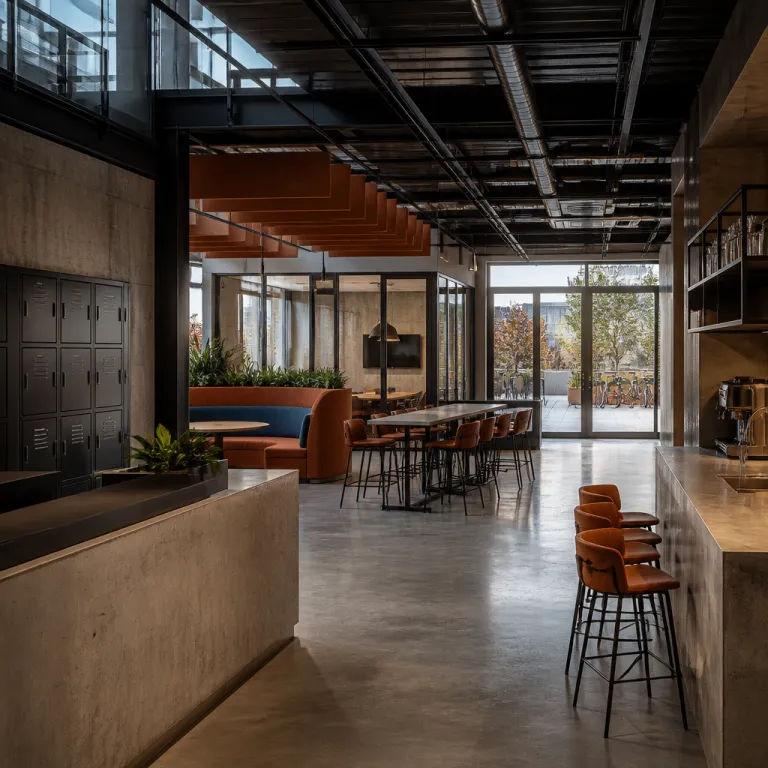
From cost centre to culture stage: the office as employer brand
The office as employer brand is no longer a slogan for HR decks. For a United Kingdom company competing in a tight job market, your physical place of work has become the most visible expression of your employer value proposition and of how seriously you treat people. When hybrid work is the norm, the office is where culture is performed and experienced, not where attendance is simply counted.
Office managers now sit on the front line of employer branding, whether the organization has admitted it or not. You shape the work environment that candidates walk into on interview day, and you curate the daily employee experience that current employees share on social media and in private WhatsApp groups. That means every decision about layout, services and workplace technology is also a decision about reputation, hiring power and whether you will attract top talent or quietly lose them to a stronger employer down the road.
Between the pandemic shift and the rise of hybrid work, the company office moved from default place of work to optional culture hub. CIPD’s Good Work Index 2023 reports that around 74% of UK organisations now offer some form of hybrid working, which means employees and job seekers actively choose when to commute based on perceived value. If the work environment feels like an overhead line item rather than a branded experience aligned with company values, potential candidates will simply stay remote or look for a job with a more compelling company culture.
For office managers, this reframes the role from facilities custodian to strategic employer branding partner. You are no longer just maintaining space for employees to do work, you are curating a branded stage where the organization’s values, leadership style and employee engagement are made tangible. In that sense, the office becomes a live audit of employer branding strategy, visible to candidates, current employees and even clients who visit the place of work.
Think about how quickly people form judgements about an employer from the reception area alone. A strong employer brand is reinforced when the welcome is warm, the signage is clear, the technology works and the work life balance cues are obvious, such as visible quiet zones and respectful meeting norms. A weak or confused brand is exposed when the first employee experience is a broken visitor system, a cluttered lobby and a team that looks exhausted before 10 a.m.
In this context, employer branding is not a logo on the wall, it is the choreography of everyday work. The way employees move between focus work, collaboration and social connection either signals respect for people or indifference to their time and energy. When candidates see a company that has invested in a thoughtful work environment, they infer that the employer will also invest in their job, their development and their life balance.
UK office managers who understand this shift are starting to use the language of brand and talent, not just space and cost. They talk about the office as a recruitment argument, a retention lever and a differentiator for top talent in a crowded job market. They also recognise that employer brand and employee branding are now co created, because current employees broadcast their daily experience to candidates long before HR launches any formal employer branding campaign.
This is why the office as employer brand must be treated as a strategic asset with clear KPIs. Offer acceptance rates, time to fill critical job roles and early attrition among new hires are now as relevant to your office decisions as utilisation rate or energy consumption. When you can show that a strong employer workspace correlates with better hiring outcomes, the conversation with finance about investment in the work environment changes completely.
What actually pulls people in: designing a branded work environment
Once you accept that the office is part of your employer brand, the next question is simple: what exactly makes people want to come in. It is not the ping pong table, the neon sign or the generic branding slogans on the walls, it is the friction free experience of doing good work with other people in a space that respects their time. Hybrid employees in the United Kingdom consistently report that they will commute for high quality collaboration, reliable tools and a work environment that supports deep focus as well as social connection.
Map the employee journey
For office managers, this means designing the place of work around real employee experience journeys, not around legacy floor plans. Start with the moments that matter for employees and candidates, such as the first day in a new job, the weekly team day or the quarterly all hands, and map the physical and digital touchpoints that shape those experiences. Then align those touchpoints with your company values and with the employer branding promise that HR and leadership are making to the job market.
Design for different modes of work
In practice, that often looks like fewer rows of fixed desks and more zones for different modes of work. Quiet libraries for focus work signal respect for concentration, while acoustically treated collaboration spaces show that the organization values productive debate without punishing everyone else’s life balance. Hospitality style reception areas, decent coffee and well maintained kitchens are not perks, they are signals that the employer cares about people and about the small details that shape daily employee engagement.
Make technology invisible and reliable
Technology is another critical layer of the office as employer brand, especially for hybrid teams. Candidates and current employees judge a company quickly when meeting room screens fail, Wi Fi drops or video calls are a constant struggle, because these failures undermine both work and culture. When the basics just work, the brand feels strong, and when they do not, even top talent will quietly question whether the organization is serious about modern work.
Use workplace tools to reduce friction
Office managers in UK scale ups are increasingly using workplace tools such as Mapiq, Envoy or Condeco to orchestrate this branded experience. These platforms help you manage occupancy, meeting room bookings and visitor flows in ways that support both employee experience and employer branding, because they reduce the daily friction that people remember and share. When job seekers arrive for interviews and see a calm, well run environment, they infer that the employer brand is not just a marketing story.
Prioritise wellbeing in the physical environment
There is also a wellbeing dimension that now sits at the heart of employer brand in the United Kingdom. The office can either support mental health and sustainable work life balance, or it can quietly erode both through noise, poor lighting and constant interruption. Resources such as this analysis of what the office environment itself can do for mental health in UK workplaces at mental health focused workplace design show how physical choices translate directly into perceived care for employees.
Turn budget discussions into talent conversations
When you frame these design decisions as part of employer branding strategy, the budget conversation changes. You are no longer asking for nicer furniture, you are arguing for a branded work environment that helps attract top candidates, retain current employees and reduce the cost of hiring by improving offer acceptance. In that framing, the office as employer brand becomes a line in the talent acquisition playbook, not just in the facilities ledger.
Office managers who embrace constraints often produce the most coherent employer brand experiences. Tight space or limited capital can force sharper choices about what really matters for employee experience, as argued in this analysis of how embracing constraints can drive workplace success in UK companies at using constraints to sharpen workplace strategy. The result is often a stronger employer signal to potential candidates, because the space feels intentional rather than cluttered with half implemented ideas.
Measuring workspace ROI as a talent and branding metric
If the office is part of your employer brand, you need to measure it like any other employer branding asset. That means moving beyond utilisation and rent per square metre, and into metrics that link the work environment to hiring, retention and employee engagement. Office managers in the United Kingdom who can show this link gain real authority in conversations with HR, finance and the executive team.
Step 1: Connect workspace to recruitment outcomes
Start with recruitment metrics that every Head of Talent already tracks. Offer acceptance rate by location, time to hire for roles that are primarily office based and feedback from candidates about the interview day experience all provide signals about how the office as employer brand is performing. When you see that candidates who visit a particular site are more likely to accept offers, you have evidence that the company culture and work environment in that location are supporting a strong employer reputation.
Step 2: Track retention and engagement by site
Next, look at retention and engagement data segmented by work pattern and site. Compare attrition rates between employees who use the office regularly and those who are mostly remote, while controlling for role and tenure, to understand whether the place of work is helping or hurting life balance and loyalty. Layer in employee engagement survey scores about workspace, collaboration and wellbeing to see whether the physical office is reinforcing or undermining the employer branding story told on social media and in recruitment campaigns.
Step 3: Build a simple hybrid dashboard
Some UK organisations are now building simple dashboards that combine HR data with workplace analytics. They track metrics such as average days in office by team, meeting room utilisation, Net Promoter Score for the office and even the number of potential candidates visiting for events or open days. When these data points are correlated with job market performance, such as the ability to attract top talent in competitive roles, the office as employer brand becomes a quantifiable asset rather than a vague narrative.
Listen to employee generated branding
There is also value in listening to the informal employee branding that happens in Glassdoor reviews, LinkedIn posts and private channels. Glassdoor’s Economic Research has found that candidates are more likely to apply to a company with a rating above 4.0, and workspace, culture and work life balance are among the most cited factors in those ratings, directly linking office conditions to employer reputation in the job market. When current employees talk about the office as a place that supports focused work, meaningful collaboration and healthy work life balance, they are amplifying your employer brand at zero marketing cost.
Align messaging with HR and Communications
To manage this, office managers should work closely with HR and Communications on a joined up branding strategy. That includes agreeing on the role of the office in the overall employer value proposition, and aligning messaging about hybrid work, flexibility and the physical work environment. Resources such as this guide to key organisations to involve in effective communication planning for UK companies at effective communication planning for UK workplaces can help you map the internal stakeholders who shape the employer brand story.
A quick KPI checklist for office managers
When you present this data to leadership, frame the office budget as part of talent acquisition and retention spend. A relatively modest investment in acoustic treatment, better video conferencing or improved breakout spaces can reduce hiring costs by improving offer acceptance and shortening time to fill, especially for top talent. In that light, the office as employer brand is not a discretionary overhead, it is a lever for long term organisational resilience in a volatile job market.
Over time, the most sophisticated UK office managers will be those who can talk fluently about both space utilisation and employer branding metrics. They will know how the work environment influences employee experience, how that experience shapes employee branding on social media and how all of this feeds into the organisation’s ability to attract top candidates. That is a different job description from the traditional facilities manager, and it is one that carries far more strategic weight.
Three UK companies using the office as a recruitment argument
To see the office as employer brand in action, look at how leading United Kingdom companies are using their spaces as recruitment arguments. These organisations treat the workplace as a physical EVP, not as a neutral backdrop for laptops and meetings. Their offices tell a clear story about values, people and the type of work culture that candidates can expect if they join.
At Monzo in London, the office is designed around transparency and cross functional collaboration. Open sightlines, plentiful informal meeting areas and visible product dashboards reinforce a company culture that values openness, experimentation and rapid feedback between teams. For job seekers in product and engineering roles, that environment signals a strong employer commitment to meaningful work rather than to presenteeism.
Meanwhile, at Legal & General in Cardiff and London, the workspace is explicitly tied to wellbeing and life balance. Quiet zones, wellness rooms and flexible seating options show employees that the employer understands different work styles and energy levels, which supports both employee engagement and retention. Candidates walking through these spaces see a branding employer narrative that goes beyond pay and job title, and into how the organisation will support their long term health.
Another example is the UK offices of Salesforce, where the design language is consistent with the global brand but adapted to local expectations. Hospitality grade reception areas, reliable collaboration technology and carefully curated social spaces create a work environment that feels both premium and inclusive. For potential candidates, this signals a strong employer brand that invests in both the tools and the atmosphere needed for high performance work.
What these companies share is not extravagant budgets, but clarity about the role of the office in their employer branding strategy. They have made explicit choices about how the place of work should feel, what behaviours it should encourage and how it should support both focused work and social connection. They also treat current employees as co authors of the employer brand, inviting feedback on the workspace and adjusting design elements to support real work patterns.
For office managers in other United Kingdom companies, the lesson is not to copy the aesthetic, but to clarify the narrative. Ask what story your office tells about the organisation as an employer, about the type of job experience you offer and about how you balance performance with life outside work. Then make design, service and technology decisions that reinforce that story consistently for employees, candidates and visitors.
In this context, social media becomes a powerful amplifier of the office as employer brand. LinkedIn’s Global Talent Trends reports that candidates increasingly rely on employee generated content when assessing potential employers, which means photos of team days, quiet focus zones and inclusive facilities posted by employees carry more weight with job seekers than any polished recruitment video. When the physical work environment genuinely supports people, those posts become authentic employee branding that helps attract top talent without additional advertising spend.
The office manager’s role is to ensure that what is shared externally matches the lived reality internally. That means holding the line on standards, from cleanliness and maintenance to meeting room etiquette and noise levels, because these details accumulate into a felt sense of respect or neglect. In the end, candidates and employees will remember not the square footage, but the Monday morning friction.
Key figures on hybrid work, offices and employer brand
- CIPD’s Good Work Index 2023 reports that around 74% of UK organisations now offer some form of hybrid working, which means the office must compete with home for attention and therefore plays a sharper role in employer brand.
- The same CIPD research shows that hybrid employees score roughly 6% higher on engagement than the UK average, while employees under full time office mandates score about 7% lower, highlighting how perceived flexibility and work environment affect employee experience and retention.
- Surveys by LinkedIn, including Global Talent Trends 2022, indicate that companies requiring 100% onsite attendance are significantly less appealing to top talent, which turns the quality of the office experience into a decisive recruitment argument rather than a neutral backdrop.
- Glassdoor’s Economic Research has found that candidates are more likely to apply to a company with a rating above 4.0, and workspace, culture and work life balance are among the most cited factors in those ratings, directly linking office conditions to employer reputation in the job market.
- CBRE workplace studies, such as Global Workplace & Occupier Sentiment Survey, indicate that organisations which invest strategically in their work environment can see up to a 10% improvement in employee engagement scores, which in turn correlates with lower voluntary turnover and stronger employer branding outcomes.
- A mini case study from CBRE’s UK client portfolio shows that a financial services firm which redesigned its London office around hybrid collaboration cut time to hire for key roles by 18% and reduced first year attrition by 12% over two years, demonstrating how workspace investment can translate directly into recruitment and retention gains.