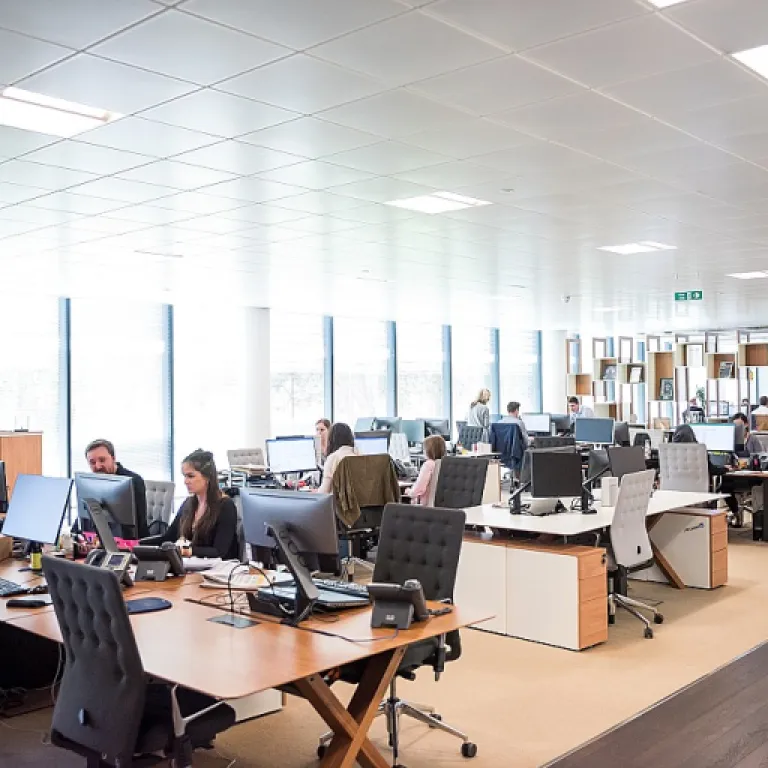
Understanding the core skills for clerical positions
Key Abilities Every Clerical Worker Needs
Clerical roles in UK companies demand a unique blend of skills and attributes. Whether you are applying for your first entry-level clerical job or looking to advance in your administrative career, understanding the core skills required is essential. Employers look for candidates who can handle a variety of administrative tasks with accuracy and professionalism.
- Attention to detail: Clerical workers are often responsible for data entry, record keeping, and document management. A high level of attention to detail helps avoid costly errors and ensures information is accurate.
- Organizational skills: Managing multiple tasks and prioritising workloads are part of daily clerical work. Good organizational skills help you keep track of deadlines, appointments, and files, making you a reliable member of the office team.
- Time management: Balancing various clerical administrative duties requires effective time management. Being able to plan your day and meet deadlines is crucial for success in clerical positions.
- Communication skills: Clear communication, both written and verbal, is vital. Clerical jobs often involve interacting with colleagues, management, and customers, so strong communication skills help ensure smooth office operations.
- Computer skills: Proficiency in office technology, such as word processing, spreadsheets, and email, is now a basic requirement for most clerical jobs. Familiarity with office software helps you complete tasks efficiently.
Employers also value soft skills like adaptability, decision making, and customer service. These qualities help you respond to changing priorities and support your team effectively. Highlighting these skills on your resume can help you stand out in the competitive UK job market.
If you are interested in learning how dedication and experience can shape a successful clerical career, you might find this story about celebrating four years of dedication in an office environment inspiring.
Adapting to UK workplace culture
Fitting into the UK Office Environment
For anyone starting in clerical roles within UK companies, understanding the workplace culture is just as important as mastering administrative skills. The UK office environment values professionalism, punctuality, and respect for colleagues. These soft skills help clerical workers build trust and contribute positively to the team.
- Professional communication: Clear, polite, and concise communication skills are essential. Whether you are sending emails, answering phones, or interacting with visitors, your approach reflects on the whole office.
- Attention to detail: UK employers expect a high level of accuracy in data entry and administrative clerical tasks. Mistakes can impact the business, so double-checking your work is a must.
- Time management: Being on time and meeting deadlines shows reliability. Good time management skills help you balance multiple tasks and support your team efficiently.
- Organizational skills: Keeping files, records, and schedules in order is a key part of clerical jobs. This not only helps with your own workload but also supports the wider office management.
Adapting to the UK workplace also means understanding the importance of teamwork and decision making. Clerical workers are often the first point of contact for customers and staff, so strong customer service and interpersonal skills are highly valued. Experience in administrative clerical roles will help you develop these abilities over time.
Employers look for candidates who can demonstrate these essential skills on their resume. If you are looking to improve your fit in a UK office, consider how your previous job experience shows attention detail, organizational skills, and effective communication. For more on how setting measurable goals can help you grow in your clerical job, read why setting measurable goals matters for office managers in UK companies.
Digital proficiency and office technology
Mastering digital tools for modern clerical work
In today’s UK offices, digital proficiency is a core requirement for clerical roles. Employers expect clerical workers to be comfortable with a range of office technology, from basic data entry software to more advanced management systems. Having strong computer skills is not just a bonus—it’s essential for handling daily administrative tasks efficiently and accurately.
- Data entry and management: Accurate data entry is a fundamental clerical skill. Familiarity with spreadsheets, databases, and document management systems helps ensure that information is organised and accessible. Attention to detail is crucial to avoid errors that could impact business operations.
- Office software proficiency: Most clerical jobs require experience with word processing, email platforms, and scheduling tools. Knowing how to use these applications streamlines communication and helps with time management.
- Digital communication: Effective communication skills now include the ability to use instant messaging, video conferencing, and collaborative platforms. These tools support teamwork and help clerical administrative staff stay connected in hybrid or remote work environments.
- Document security and compliance: Understanding how to handle sensitive data and follow company policies on digital security is increasingly important. This protects both the organisation and its clients.
Employers value clerical workers who can adapt to new technologies and demonstrate a willingness to learn. Highlighting your digital skills on your resume can set you apart in a competitive job market. For more on how a clear strategic vision supports office management and the adoption of new technologies, see this resource on building a clear strategic vision for office managers in UK companies.
| Essential Digital Skills | Why They Matter |
|---|---|
| Data entry accuracy | Reduces errors and improves reliability of business data |
| Office software proficiency | Enables efficient document creation, scheduling, and communication |
| Digital communication tools | Supports collaboration and customer service in modern workplaces |
| Document security awareness | Protects sensitive information and ensures compliance |
Staying up to date with office technology not only helps you perform your job better but also demonstrates your commitment to continuous improvement—an important soft skill for any clerical position.
Managing time and workload effectively
Practical strategies for prioritising and organising tasks
Managing time and workload is a core part of any clerical job in the UK. Clerical workers are often responsible for a variety of administrative tasks, from data entry to customer service, and must balance these responsibilities efficiently. Strong organisational skills and attention to detail are essential for handling multiple priorities without sacrificing accuracy.- Prioritisation: Begin each day by listing tasks in order of urgency and importance. This helps ensure that essential work is completed on time, and deadlines are met.
- Time blocking: Allocate specific periods for focused work, such as data entry or document management. This reduces distractions and helps maintain a steady workflow.
- Use of digital tools: Many UK offices rely on digital calendars, project management software, and reminders to track progress and deadlines. Familiarity with these tools is now a key clerical skill.
Balancing workload and maintaining quality
Clerical roles often require juggling several tasks at once. Effective time management ensures that administrative and clerical duties are completed accurately and efficiently. Mistakes can be costly, so attention to detail is vital, especially when handling sensitive data or preparing reports.- Break large projects into smaller, manageable steps to avoid feeling overwhelmed.
- Regularly review your progress to identify any areas where you may need help or additional resources.
- Communicate with your manager or team if you encounter challenges that impact your workload.
Developing habits for ongoing improvement
Building strong organisational and time management skills is not just about getting through the day. It’s about developing habits that support your long-term success in clerical and administrative jobs. Continuous improvement in these areas will help you stand out on your resume and in your daily work experience.- Reflect on your daily routines and identify opportunities to streamline repetitive tasks.
- Seek feedback from colleagues to improve your approach to managing time and workload.
- Stay open to new tools and methods that can enhance your efficiency in clerical positions.
Mastering these skills will not only improve your performance in clerical administrative roles but also support your professional growth in the UK office environment.
Communication and interpersonal skills
Building Strong Relationships in the Office
Effective communication skills are at the heart of every successful clerical job in the UK. Whether you are handling data entry, managing administrative tasks, or supporting management, your ability to communicate clearly and professionally is essential. Clerical workers often act as the link between different departments, clients, and management, so being able to convey information accurately is a must.
- Written communication: Drafting emails, reports, and memos requires attention to detail and a clear, concise writing style. Mistakes can lead to misunderstandings or delays in work.
- Verbal communication: Answering phones, greeting visitors, and participating in meetings all require you to be polite, confident, and attentive. Listening carefully and responding appropriately helps build trust and ensures tasks are completed correctly.
Interpersonal Skills for Everyday Tasks
Clerical roles demand more than just technical know-how. Soft skills, such as empathy, patience, and adaptability, help you work effectively with colleagues and customers. These skills are especially important in busy office environments where priorities can shift quickly.
- Teamwork: Many clerical positions involve collaborating with others. Being approachable and supportive helps maintain a positive work atmosphere.
- Conflict resolution: Occasionally, disagreements or misunderstandings may arise. Using your communication and decision-making skills to resolve issues calmly is a valuable asset.
Presenting Your Skills on a Resume
When applying for clerical jobs, highlight your communication and organizational skills on your resume. Employers look for candidates who can demonstrate experience in administrative clerical work, attention to detail, and the ability to manage time effectively. Mention specific examples, such as managing customer service queries or coordinating office tasks, to show your strengths in real-world situations.
Supporting Effective Office Management
Strong communication and interpersonal skills help clerical workers support office management and ensure smooth operations. By staying organised, attentive, and approachable, you contribute to a productive and positive workplace, making you an essential part of any UK company’s administrative team.
Continuous development and training opportunities
Embracing Lifelong Learning in Clerical Careers
In the fast-paced environment of UK offices, clerical workers need to keep their skills up to date. The administrative landscape is always changing, with new office technology, software, and best practices emerging regularly. To stay competitive in clerical jobs, it’s essential to seek out training opportunities and be proactive about professional development.
- Training courses: Many employers offer in-house or online courses to help staff develop key skills like data entry, time management, and computer skills. These courses can boost your confidence and efficiency in daily tasks.
- Certifications: Earning recognised qualifications in areas such as office management, customer service, or administrative skills can make your resume stand out for future clerical positions.
- Workshops and seminars: Attending external events can help you learn about the latest trends in clerical administrative work and network with others in similar roles.
- On-the-job learning: Don’t underestimate the value of learning from colleagues or supervisors. Asking for feedback and observing experienced staff can help you improve your attention to detail, organisational skills, and communication skills.
Building Your Professional Profile
Continuous development is not just about formal training. It’s also about reflecting on your experience and identifying areas for growth. Regularly updating your skills resume to highlight new competencies, such as improved decision making or advanced computer skills, shows employers your commitment to excellence in clerical work.
Consider setting personal goals for developing soft skills, such as better communication or enhanced time management. These are just as important as technical abilities in administrative clerical roles. Staying curious and open to learning will help you adapt to new challenges and advance in your clerical job.
| Development Area | Examples | Benefits |
|---|---|---|
| Technical Skills | Data entry, office software, digital filing | Increased efficiency, accuracy, and productivity |
| Organisational Skills | Task prioritisation, time management | Better workload management, reduced stress |
| Soft Skills | Communication, customer service, teamwork | Improved workplace relationships, enhanced job satisfaction |
Investing in your professional growth helps you deliver better results in your current role and prepares you for future opportunities in the administrative and clerical field.
